
For graphic designers, choosing between a treasure chest of unique design resources and the ubiquitous standard stock files can feel like a crucial decision. Each option brings its own set of advantages and potential drawbacks, impacting both the creative process and the final outcome of a project. To truly harness the power of design, understanding the nuances between these two choices is essential.
Pourquoi les fichiers standard ne suffisent plus
The reliance on standard stock files is no surprise ; they are easily accessible and provide a quick solution to many design problems. However, their prevalence can often lead to repetitive and uninspired designs. In today’s fast-paced digital world, where standing out is essential, relying solely on these resources can stifle creativity. The overuse of popular stock images and templates can make a design appear generic, lacking uniqueness and personality. For instance, a website that uses the same stock photography found on numerous other sites may fail to differentiate itself, impacting user engagement.
Une richesse inexploitable
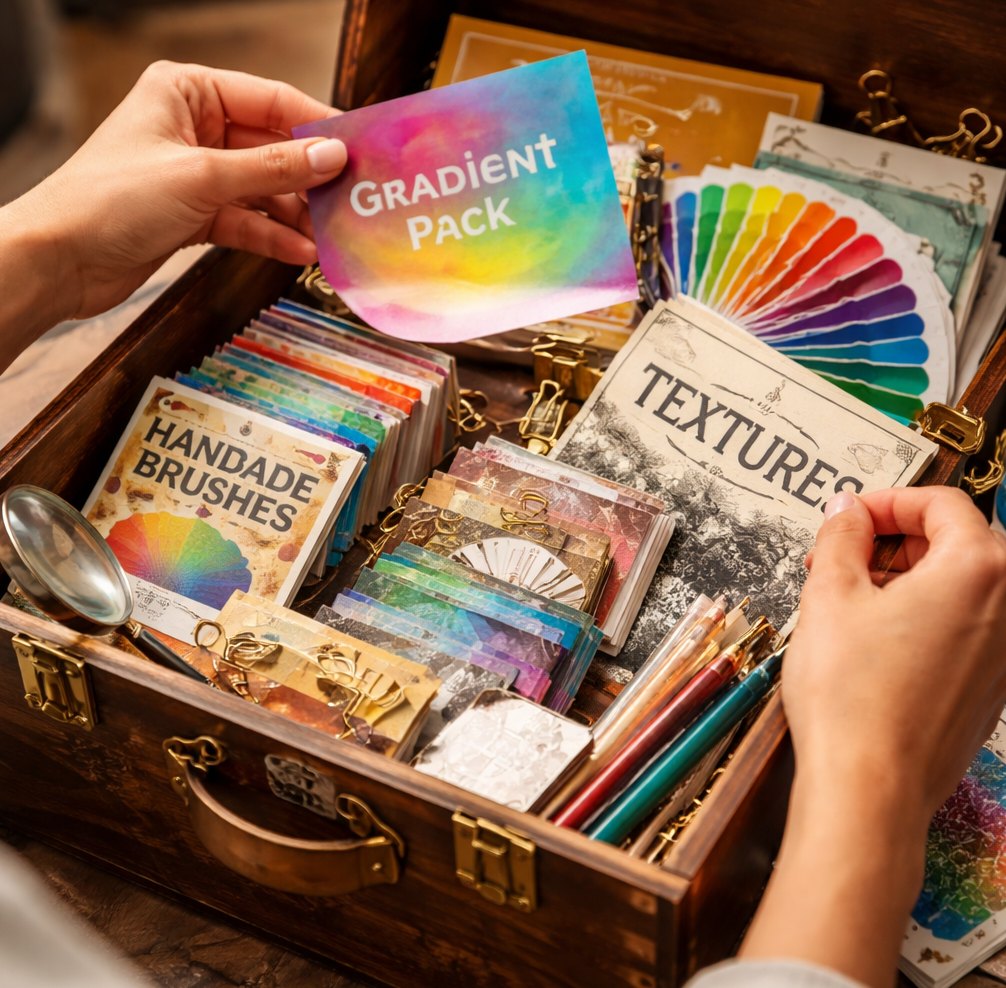
Enter the graphic design treasure chest—a curated collection of diverse and exclusive design resources. Unlike standard stock files, these resources are not mass-distributed, allowing designers to incorporate more originality and character into their work. Whether it’s rare textures, one-of-a-kind vectors, or bespoke fonts, these treasures provide unique elements that can elevate a project from mundane to remarkable. For example, a custom illustration crafted specifically for a campaign can imbue the project with an authentic flair that resonates more deeply with its target audience.
Optimisation et économie de temps
While exploring a graphic design treasure chest might seem like a time investment, it offers significant long-term benefits. Having a collection of high-quality, exclusive resources at your fingertips can streamline your workflow, saving you from endless searches on generic stock websites. This efficiency doesn’t just save time ; it also allows for deeper creative exploration, as fewer constraints mean more room for experimentation. By integrating unique assets early in the design phase, you can quickly adapt and tailor your project to specific client needs without sacrificing originality or quality.
Investissement sur l’authenticité
An important consideration when choosing design resources is how they reflect your brand or the brand of your client. Authenticity has become a vital currency in the design world, and using unique resources from a graphic design treasure chest can help communicate a distinctive brand story. This can be particularly beneficial for small businesses and personal brands seeking to establish a strong visual identity in a crowded market. Tailored design elements, like a custom color palette or typography, can convey the unique values and mission of a brand, setting it apart from competitors.
Using unique resources is not just about aesthetics ; it’s also about conveying a message. For instance, a non-profit organization might benefit from bespoke icons that illustrate its mission clearly and compellingly, enhancing donor engagement and support.
Critères pour bien choisir
When deciding whether to opt for the treasure chest or stick with standard stock files, consider the specific needs of your project. If the focus is on originality and creating a memorable brand image, investing in unique resources is invaluable. On the other hand, for projects where time and budget are tight, standard stock options may serve as a starting point, augmented by custom elements as time allows. Always evaluate the core message you wish to deliver and assess if generic designs suffice or if a more personal touch is necessary.
In conclusion, while standard stock files serve their purpose, they are no match for the creative possibilities offered by a graphic design treasure chest. By mixing both, designers can achieve the perfect balance between efficiency and originality, resulting in designs that not only meet but exceed expectations. This strategic approach ensures that each project aligns with the intended vision and stands out in a competitive environment, paving the way for success.